DJLINK.me
Back to journal
Comparisons5 min read

Website Builder or Link in Bio Tool? What DJs Actually Need

Should DJs build a website or use a link-in-bio tool? The honest answer is neither on its own — what really matters is making it easy for promoters to book you.

DE
DJLink.me Editorial Team

Editorial · Insights and strategies for DJs, agencies, and music professionals looking to grow bookings and streamline their workflow.

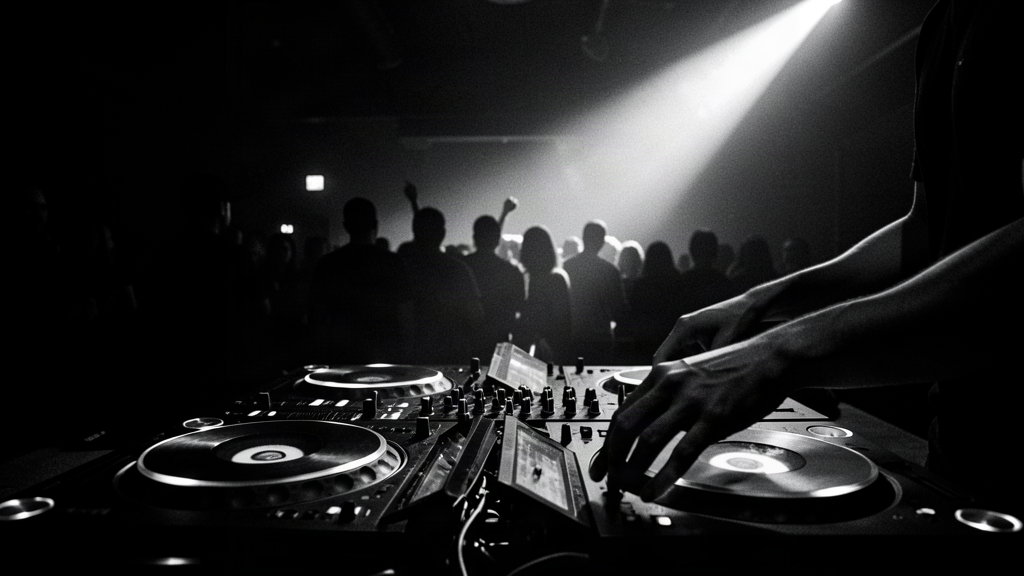
DJ performing on stage with lights and crowd in the background

Both answers might be wrong. Here's what the question is really asking.

At some point in almost every DJ's career, the same conversation happens. Someone tells you that you need a proper website. Someone else says a link-in-bio page is enough. Then you spend days building something on Squarespace, polishing layouts, uploading photos, adjusting fonts, and trying to make it all look professional — only to realise that most promoters do not browse your site like a fan. They glance at it quickly and decide whether to move forward.

That is why the website-versus-link-in-bio debate often asks the wrong question.

What You're Actually Trying to Do

The real question is not whether you need a website or a link page. The real question is this: when a promoter finds you, what happens next?

That is the moment that matters. Everything else is just traffic.

When a promoter lands on your page, they usually need fast answers to three simple questions:

  1. Is this artist the right fit for my event?
  2. Are they available on my date?
  3. How do I actually book them?

A full website can sometimes answer the first question reasonably well if it is built properly. It may include a solid bio, music links, good visuals, and press assets. But it often fails the second and third questions. There is usually no real-time availability. The contact form is generic. The enquiry goes into a general inbox. The follow-up is manual.

A standard link-in-bio tool is even weaker for this purpose. It usually sends people outward to other links instead of helping them move toward a booking.

So the decision is not really website versus link-in-bio. It is brochure versus booking action.

The Case for a Website

There are good reasons to have a proper website.

A website gives you brand control. Your own domain, your own look, your own long-form content. It can help with search visibility over time. It can support press, media, labels, and industry people who want a fuller picture of who you are. If journalists or photographers are looking you up, a proper site can make you look more established and easier to research.

Those are all real advantages.

But a website is still mostly a presentation layer. It tells your story. It does not automatically handle the booking workflow.

The Case for a Link-in-Bio Tool

A link-in-bio tool wins on speed and simplicity. It takes very little time to set up and gives you something live immediately. That is useful, especially for newer artists who need a quick solution.

It is also usually cheaper and easier to maintain than a full website.

But the ceiling is low. At best, it presents your links cleanly. It does not usually give a promoter a clear path to check availability, submit a proper enquiry, or move toward a confirmed date.

It helps people browse your ecosystem. It does not help them complete the booking process.

The Real Problem Neither Solves Well

Imagine the actual booking journey.

A promoter sees a clip of your set on Instagram. They tap your profile. They see your booking link and open it.

If they land on your website, they might read your bio, click around, look at your photos, and eventually find a contact form. Then they send a vague email and wait for a reply. If your response is delayed, the opportunity may disappear.

If they land on a normal link-in-bio page, they may end up on your Spotify or SoundCloud. That tells them more about your music, but it still does not tell them how to book you quickly.

In both cases, there is friction between interest and action. That friction is where DJs lose opportunities.

What Booking Infrastructure Looks Like

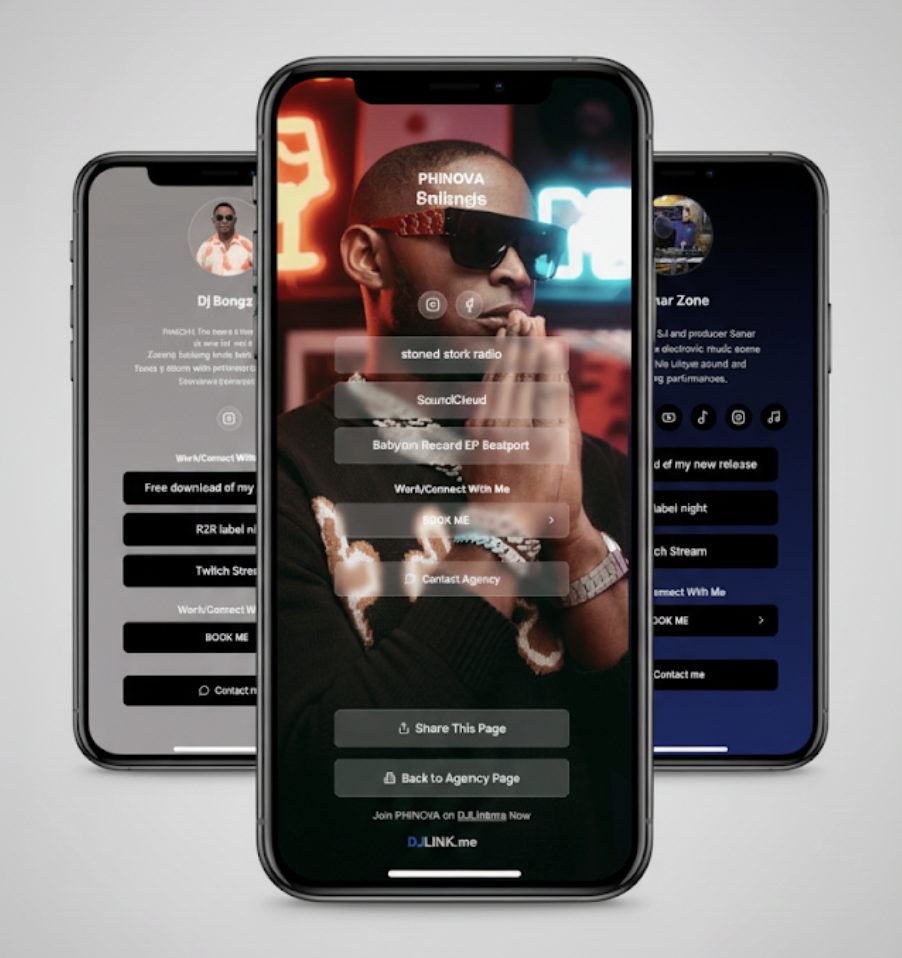
The better solution is booking infrastructure: a page that helps a promoter understand the artist quickly, view availability, access press materials, and submit a structured enquiry immediately.

That is the role DJLink.me is built to play.

Instead of acting like a simple list of links or a static website, it works like a booking-ready artist page. A promoter can understand the artist, check whether the date is realistic, access the press kit and rider, and submit a proper enquiry with useful information such as event date, venue, budget, crowd size, and contact details.

That changes the quality of the interaction immediately. Instead of vague messages and scattered conversations, the artist receives structured enquiries that can actually move forward.

Why This Matters for DJs

Most DJs spend too much time thinking about design and not enough time thinking about conversion. The point is not simply to look professional. The point is to make it easy for the right person to take the next step.

If a promoter wants to book you, they should not have to hunt for the right page, guess whether you are available, or send a message that disappears into a crowded inbox.

They should be able to act immediately.

So What Should You Actually Build?

If you are just starting out, the smartest move is usually not a full website. It is a clean page that makes you easy to book.

If you are growing, then the answer may be both: a website for press, brand, and long-term visibility, and DJLink.me as the booking layer that handles real conversion.

If you are established, the distinction becomes even clearer. Your website tells your broader story. Your booking infrastructure closes the deal.

The One Thing to Get Right

Whatever else you build, make sure that when a promoter finds you and wants to book you, the process takes minutes instead of days.

That one improvement can be worth far more than another beautifully designed homepage or another page of social links.

The simpler you make it to book you, the more likely it is that people actually will.

Share this article

Related articles

  • Linkfire, Feature.fm, or DJLink.me — Which Platform Is Right for Your Label?

    Linkfire and Feature.fm help labels track music marketing — but do they help you convert attention into bookings and revenue? Here’s the honest comparison.

  • She Was Posting Every Day. None of It Was Working.

    She was consistent, active, and visible — but still not getting booked. The problem wasn’t effort, it was not knowing what was actually working.

  • One Message. Every Promoter He'd Ever Worked With.

    Instead of chasing new bookings, he sent one message to every promoter he already knew — and turned existing contacts into confirmed shows.

Built for artists, agents, and labels

Link-in-bio, enquiries, contracts, and invoices in one place—without retyping the same details in five tools.