Running a music booking agency today means operating across more channels than ever. Your artists live on Instagram, SoundCloud, TikTok, Resident Advisor, and YouTube. Meanwhile your team is juggling enquiries, negotiating deals, generating contracts, sending invoices, and trying to keep an entire roster from double-booking itself into oblivion.
So when someone asks "what's the best marketing tool for a music agency?" — the real answer depends on what part of the system is broken.
The Problem With Generic Tools
Most marketing platforms were built for e-commerce, SaaS, or content businesses. Email platforms measure open rates. Social schedulers measure reach. CRMs track deals. But a booking agency has a different goal: turning attention into structured enquiries, confirmed bookings, and paid shows.
If a tool can't connect those steps, it's only solving one slice of the pie.
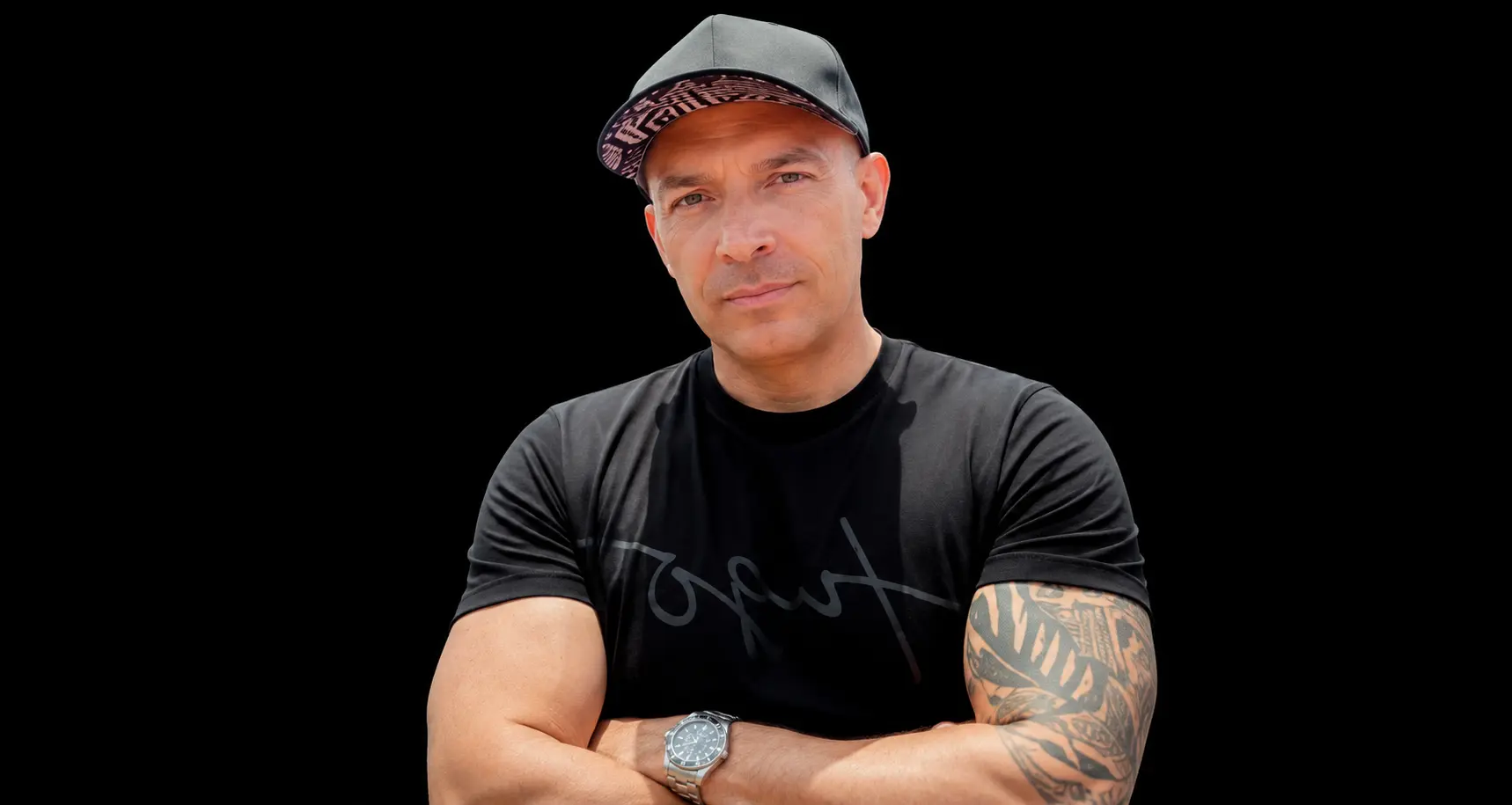
I've watched Suena Agency — a real agency with real artists like Jake Beautyman, Rob Pearson, and Louie Fresco — run their entire operation on infrastructure built for music, not generic sales pipelines. Here's how the usual suspects compare.
Social Scheduling (Hootsuite, Buffer, Later)
Useful for managing content across multiple artists. Helps agencies plan, schedule, and publish at scale. But these tools operate at the top of the funnel — awareness — and can't show whether a post led to a booking enquiry. They measure reach. Not revenue.
Best for: content distribution. Weakness: zero visibility into booking conversion.
Email Marketing (Mailchimp, Brevo)
Good for maintaining promoter relationships. Artist availability emails, new signing announcements, upcoming events. Reaches people who already know you. But stops at clicks — can't track whether a promoter who clicked actually submitted an enquiry or confirmed a show.
Best for: outreach. Weakness: disconnected from booking workflow.
CRMs (HubSpot, Pipedrive, Airtable)
Help organise deals and track pipelines. Visibility into where each opportunity sits. But they're generic — built for sales, not music. Require manual data entry. Promoter interactions happen outside the system. You end up importing data instead of acting on it.
Best for: internal coordination. Weakness: limited integration with real booking activity.
The Agency Stack That Actually Works
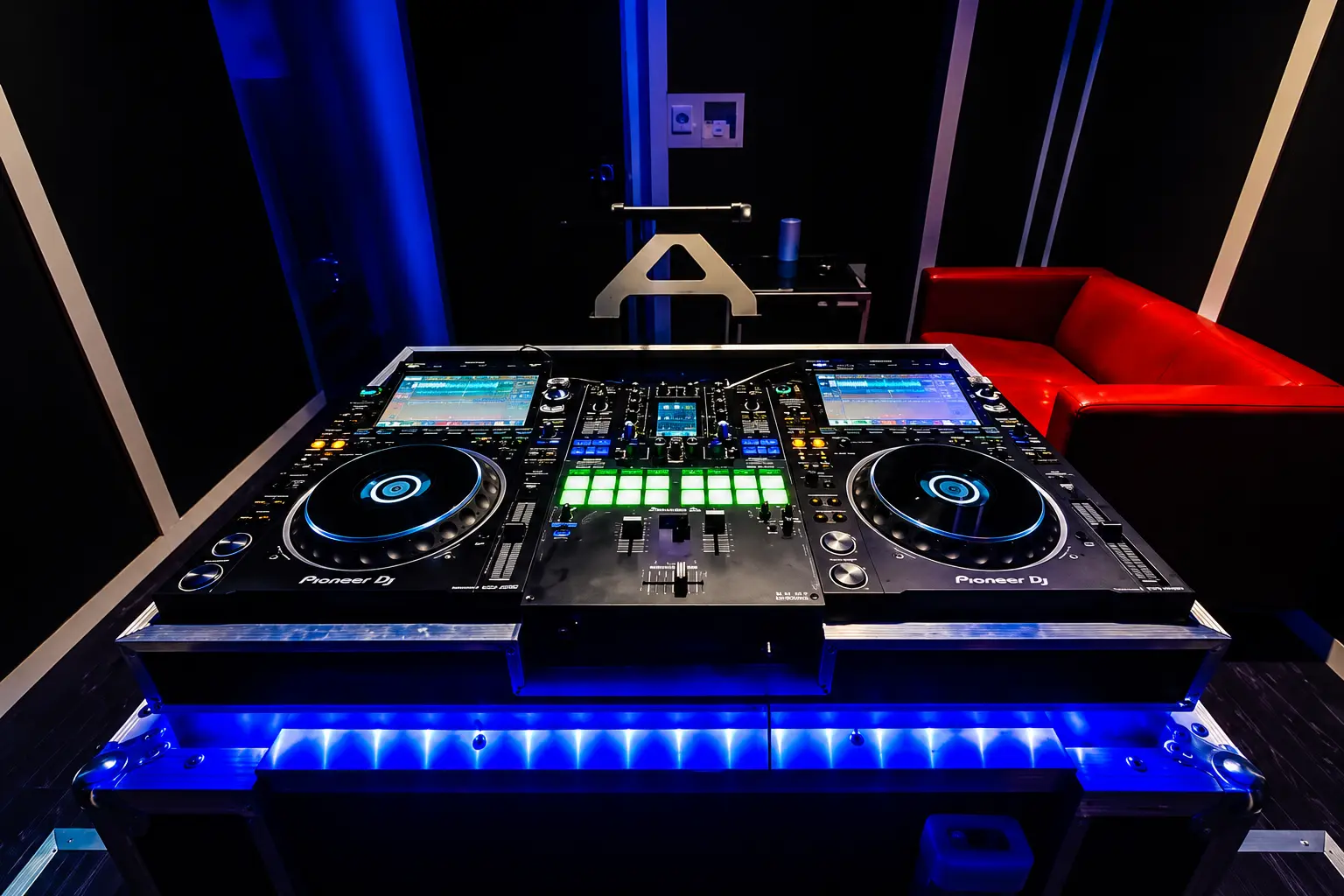
DJLink.me for Agents was built specifically for this workflow. Each artist gets a booking-ready profile. Enquiries arrive structured — date, venue, budget, crowd size. Contracts generate from deal terms. Invoices track themselves. The agency dashboard shows every enquiry, every hold, every confirmed date across the entire roster in one view.
Suena doesn't run five tools stitched together with hope and a spreadsheet. They run one system that connects the moment a promoter clicks to the moment the invoice lands. That's not a marketing tool. That's booking infrastructure.